INNOVATION
When Parked Cars Start Powering the Grid
A Maryland pilot shows how parked EVs can send power back to the grid, hinting at a future where cars help utilities manage demand
12 Dec 2025
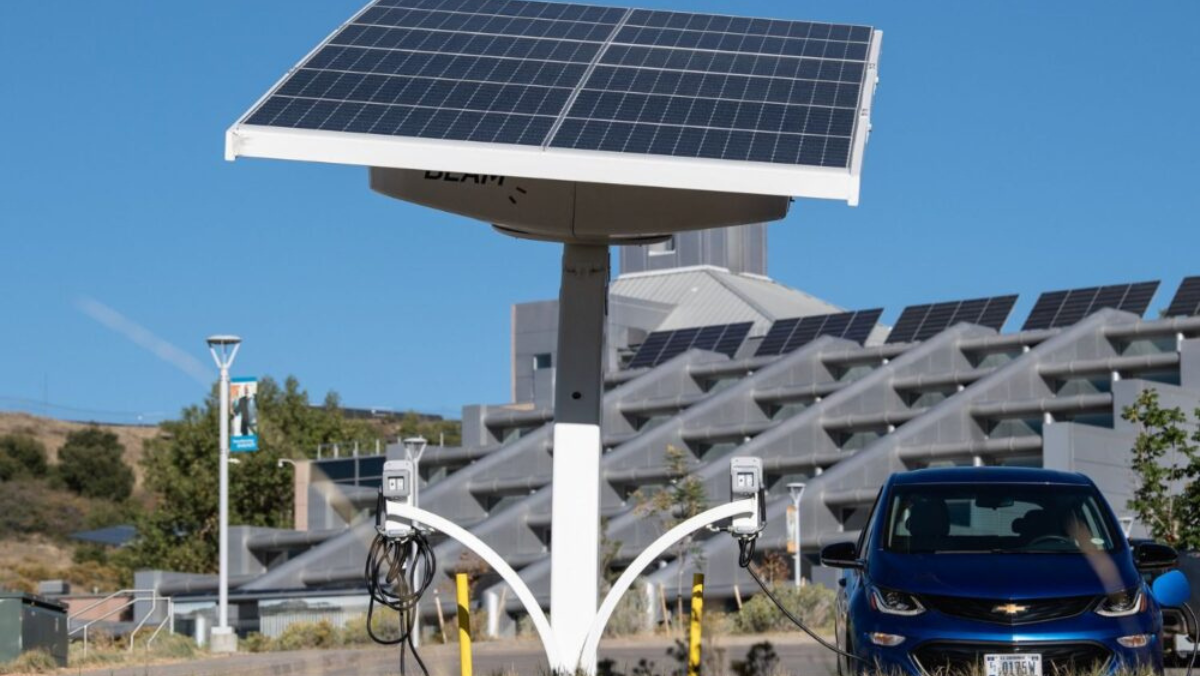
Electric vehicles are starting to play a limited but telling role beyond transportation in the United States energy system. In Maryland, a small residential pilot is testing whether parked electric vehicles can feed electricity back to the grid during periods of high demand, offering utilities a potential new source of flexibility as power systems strain under growing loads.
The pilot involves three electric pickup trucks equipped with bidirectional charging technology, allowing their batteries to discharge electricity when demand peaks. Instead of drawing power during stressful periods for the grid, the vehicles briefly operate as distributed energy resources. Analysts say the scale is modest, but the experiment illustrates how EV batteries could help smooth demand and reduce reliance on costly backup generation if adopted more widely.
The project is a collaboration among Sunrun, Baltimore Gas and Electric, and Ford, combining electric vehicles, home energy equipment, and utility software. According to company statements, the trucks are charged earlier in the day, when electricity is more plentiful and less expensive. During evening peaks, a portion of that stored energy is sent back to the grid. Drivers are compensated for participating, and software limits how much energy can be discharged to ensure vehicles retain enough charge for daily driving.
Industry observers note that the importance of the pilot lies less in its immediate impact than in what it signals about future scale. Millions of electric vehicles are expected to be on U.S. roads in the coming decade, creating a large reservoir of battery capacity. Even partial participation could help utilities manage spikes in demand without building new power plants, effectively turning privately owned vehicles into components of virtual power plants.
Policy changes are beginning to support that vision. Maryland’s DRIVE Act and similar measures in other states have clarified rules around interconnection, compensation, and bidirectional charging. Utilities face pressure to cut emissions, improve resilience during extreme weather, and rein in infrastructure costs, goals that vehicle-to-grid programs could help address.
Obstacles remain, including the higher cost of bidirectional chargers, uneven state regulations, and concerns about cybersecurity and coordination. Still, what was once largely theoretical is now being tested on residential streets, a shift that could influence how the electricity system evolves in the years ahead.
Latest News
18 Dec 2025
Cars That Power Homes? Congress Eyes a 2029 EV Shift17 Dec 2025
From Garage to Grid: The Next Role for Electric Vehicles16 Dec 2025
Inside the FIU–NextNRG Push for Grid-Ready EVs15 Dec 2025
EVs May Become the Grid’s Most Valuable Asset
Related News

REGULATORY
18 Dec 2025
Cars That Power Homes? Congress Eyes a 2029 EV Shift
INNOVATION
17 Dec 2025
From Garage to Grid: The Next Role for Electric Vehicles

PARTNERSHIPS
16 Dec 2025
Inside the FIU–NextNRG Push for Grid-Ready EVs
SUBSCRIBE FOR UPDATES
By submitting, you agree to receive email communications from the event organizers, including upcoming promotions and discounted tickets, news, and access to related events.