INNOVATION
From Garage to Grid: The Next Role for Electric Vehicles
A California pilot turns idle EVs into grid helpers using bidirectional charging
17 Dec 2025
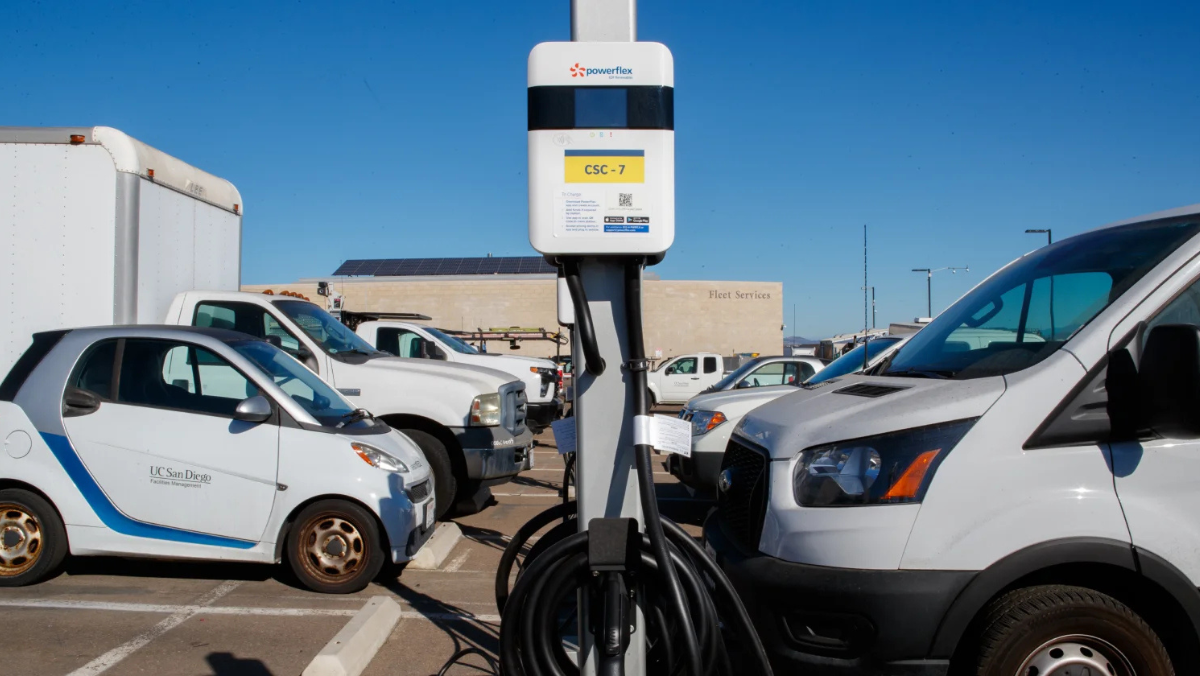
Electric vehicles are beginning to be tested as a source of grid power in the US, as utilities and policymakers look for new ways to manage rising electricity demand. A vehicle-to-grid pilot in Silicon Valley is examining how parked EVs can supply electricity back to the network during peak periods, effectively turning cars into small, flexible power plants.
The project is supported by the California Energy Commission’s Demand Side Grid Support programme and brings together carmakers, energy software groups and Silicon Valley Power, a municipal utility. The aim is to assess whether EV batteries can reliably discharge electricity to the grid when demand is high, while still meeting drivers’ daily travel needs.
Interest in the concept has grown as data centres, electrification of transport and heating, and the expansion of renewable energy place additional strain on power systems. Instead of being viewed only as new sources of demand, EVs are increasingly seen as assets that could help balance supply and demand.
At the centre of the pilot is bidirectional charging technology, which allows electricity to flow both into and out of a vehicle’s battery. Cars charge during periods of lower demand and feed power back to the grid when consumption rises. Software manages charging and discharging across multiple vehicles so they can respond collectively, while ensuring drivers retain sufficient range. Participants are paid for making their batteries available.
Nissan, which is providing vehicles for the trial, has said that reliability and driver confidence are essential if EVs are to be treated as credible grid resources. ChargeScape, which runs the energy management platform, is focusing on how large numbers of vehicles can be coordinated to behave like a single, controllable source of capacity. Silicon Valley Power is assessing how such an approach might operate at scale.
Analysts say vehicle-to-grid projects offer a glimpse of a more distributed power system. In theory, EV batteries could reduce reliance on gas-fired peaker plants and postpone costly grid upgrades, while offering new income streams for drivers and fleet operators.
However, obstacles remain. Bidirectional chargers cost more than standard equipment, only some EV models support the technology, and regulators are still addressing issues such as safety, battery degradation and customer participation.
For now, vehicle-to-grid remains a pilot rather than a commercial solution. Even so, the California trial suggests EVs could eventually play a broader role in how electricity is stored and supplied.
Latest News
18 Dec 2025
Cars That Power Homes? Congress Eyes a 2029 EV Shift17 Dec 2025
From Garage to Grid: The Next Role for Electric Vehicles16 Dec 2025
Inside the FIU–NextNRG Push for Grid-Ready EVs15 Dec 2025
EVs May Become the Grid’s Most Valuable Asset
Related News

REGULATORY
18 Dec 2025
Cars That Power Homes? Congress Eyes a 2029 EV Shift
INNOVATION
17 Dec 2025
From Garage to Grid: The Next Role for Electric Vehicles

PARTNERSHIPS
16 Dec 2025
Inside the FIU–NextNRG Push for Grid-Ready EVs
SUBSCRIBE FOR UPDATES
By submitting, you agree to receive email communications from the event organizers, including upcoming promotions and discounted tickets, news, and access to related events.